“`html
1. Introduction
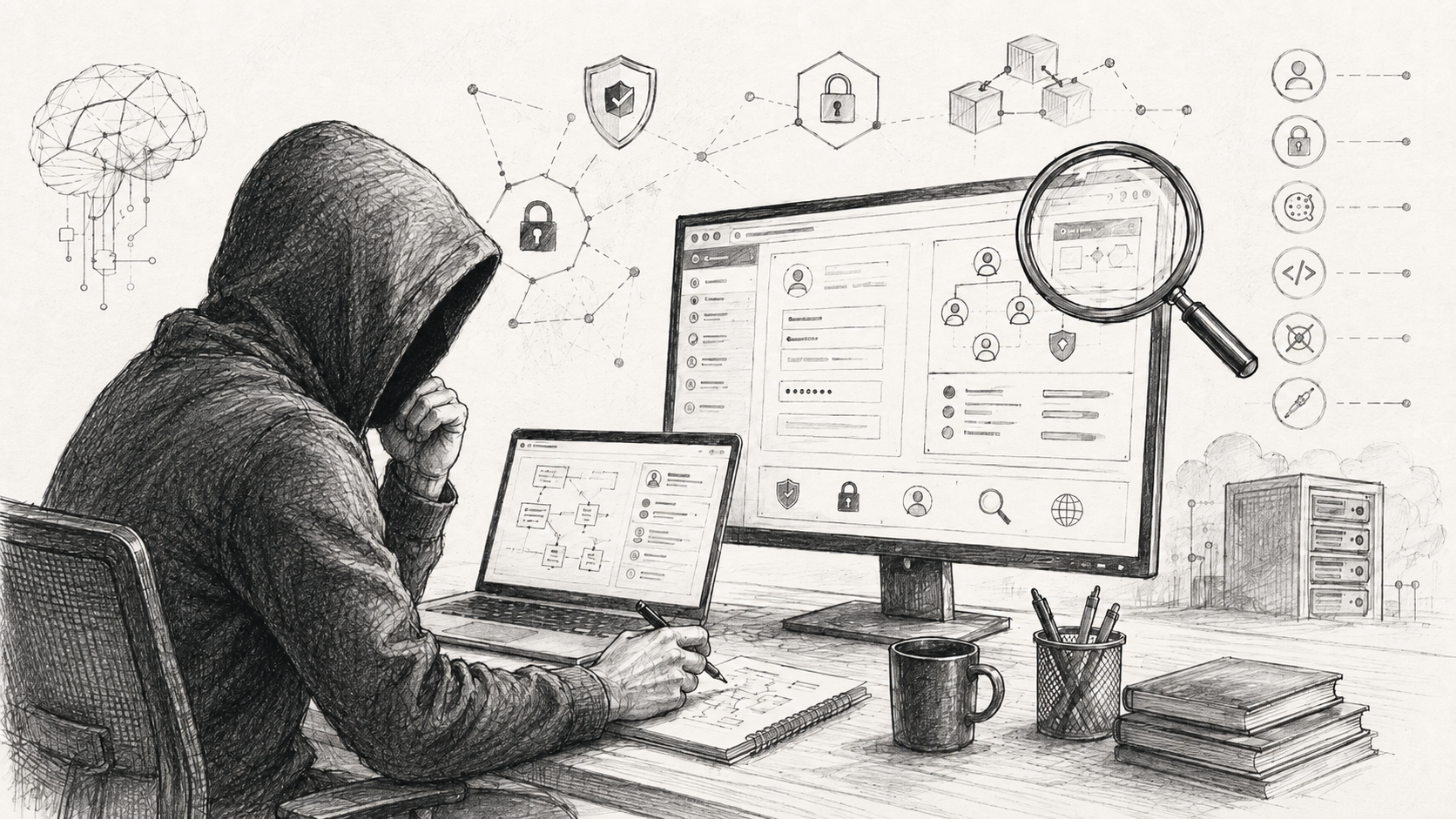
This document serves as a personal threat modelA simple plan that says what you protect, from whom, and how an attack could happen. More focused on cybersecurity in the area of cryptocurrencies. Its aim is to identify potential threats and vulnerabilities and propose measures to minimize them.
2. Identification of Actors and Assets
Actors
- Hackers
- Regulatory Bodies
- Competitors
- Close Associates
Assets
- Crypto Wallet
- Transaction History
- Investment Strategy
Actors and Assets: Detailed View
In this part of the threat modelA simple plan that says what you protect, from whom, and how an attack could happen. More, it is crucial to identify in detail the actors who could pose a threat and the assets they might want to compromise. Each actor and asset should be elaborated on, including motivations, capabilities, and methods of attack.
Hackers
- Motivation: Financial gain, reputational reasons, ideological beliefs
- Capabilities: MalwareMalicious software that can spy, steal data, damage a device, or take control. More, ransomwareA type of malware that locks or encrypts data and demands a ransom. More, phishingA fake message or page that looks trustworthy and tries to get your data or money. More attacks
- Attack Methods: Wallet infiltration, keylogging, SIM swappingAn attack where someone tries to move your phone number to a SIM card they control. More
Regulatory Bodies
- Motivation: Oversight and regulation, ensuring compliance with laws
- Capabilities: Legal measures, access to public and private databases
- Attack Methods: Court orders, asset seizure, audits
Competitors
- Motivation: Gaining competitive advantage, financial gain
- Capabilities: Industrial espionage, social engineeringManipulating people so they take an action that helps the attacker. More
- Attack Methods: Infiltration, misinformation, market manipulation
Close Associates
- Motivation: Personal interests, possible financial gain
- Capabilities: Access to personal devices, knowledge of personal information
- Attack Methods: Using known passwordsIn general, a password is an arbitrary string of characters including letters, digits, or other symb... More, accessing unsecured devices
Assets
Crypto Wallet
- Importance: High
- Attack Types: PhishingA fake message or page that looks trustworthy and tries to get your data or money. More, malwareMalicious software that can spy, steal data, damage a device, or take control. More, physical access
- Mitigations: Hardware walletA physical device designed to store cryptocurrencies and secret keys more safely. More, 2FAVícefázové ověření (též vícefaktorové, anglicky multi-factor authentication) je v informatice proces... More, strong passwordsIn general, a password is an arbitrary string of characters including letters, digits, or other symb... More
Transaction History
- Importance: Medium
- Attack Types: IP tracking, exchange compromise
- Mitigations: Use of VPNA service that routes your connection through another server and usually encrypts traffic between yo... More, decentralized exchanges
Investment Strategy
- Importance: Medium to High
- Attack Types: Social engineeringManipulating people so they take an action that helps the attacker. More, industrial espionage
- Mitigations: Limiting information sharing, using encrypted communicationCommunication protected by encryption so its content is not easily readable in transit. More
3. Vulnerabilities
Using Online Wallets with Low Security
- Description: Online wallets are often targeted by attacks, especially if not properly secured.
- Actors: Hackers, competitors
- Attack Types: PhishingA fake message or page that looks trustworthy and tries to get your data or money. More, brute-forceAutomatically trying many combinations until one works. More attacks
- Mitigations: Switching to a hardware walletA physical device designed to store cryptocurrencies and secret keys more safely. More, using 2FAVícefázové ověření (též vícefaktorové, anglicky multi-factor authentication) je v informatice proces... More
Unsecured Wi-Fi Network
- Description: Using unsecured Wi-Fi networks can allow attackers easy access to your data.
- Actors: Hackers, close associates
- Attack Types: Man-in-the-middle attacks, sniffing
- Mitigations: Use of VPNA service that routes your connection through another server and usually encrypts traffic between yo... More, connecting only to trusted networks
Using Outdated Software
- Description: Old or outdated software may contain vulnerabilities that can be exploited for infiltration.
- Actors: Hackers, regulatory bodies
- Attack Types: Exploitation of known vulnerabilities
- Mitigations: Regular software updates, application of security patches
Insufficient Two-Factor Authentication (2FA)
- Description: Absence or poor implementation of 2FAVícefázové ověření (též vícefaktorové, anglicky multi-factor authentication) je v informatice proces... More can lead to easy access to sensitive data.
- Actors: Hackers, close associates
- Attack Types: Brute-forceAutomatically trying many combinations until one works. More attacks, SIM swappingAn attack where someone tries to move your phone number to a SIM card they control. More
- Mitigations: Activation and proper configuration of 2FAVícefázové ověření (též vícefaktorové, anglicky multi-factor authentication) je v informatice proces... More
Insufficient OPSEC (Operational Security)
- Description: Insufficient OPSECOperational security: habits that reduce how much sensitive information you reveal about yourself an... More may include poor handling of passwordsIn general, a password is an arbitrary string of characters including letters, digits, or other symb... More, keys, and other sensitive data.
- Actors: All
- Attack Types: Social engineeringManipulating people so they take an action that helps the attacker. More, phishingA fake message or page that looks trustworthy and tries to get your data or money. More
- Mitigations: Cybersecurity education, use of a password managerAn app that securely stores passwords and helps create a different strong password for every account... More
4. Attack Vectors
Phishing Attacks
- Description: Attacks that aim to obtain sensitive information through fraudulent emails or websites.
- Actors: Hackers, competitors
- Vulnerabilities: Insufficient OPSECOperational security: habits that reduce how much sensitive information you reveal about yourself an... More, using online wallets with low security
- Mitigations: Cybersecurity education, use of 2FAVícefázové ověření (též vícefaktorové, anglicky multi-factor authentication) je v informatice proces... More
Man-in-the-Middle Attacks
- Description: Attacks where the attacker eavesdrops on or manipulates communication between two parties.
- Actors: Hackers, regulatory bodies
- Vulnerabilities: Unsecured Wi-Fi network, outdated software
- Mitigations: Use of VPNA service that routes your connection through another server and usually encrypts traffic between yo... More, encryptionTurning data into a form that cannot be understood without the right key. More of communication
Social Engineering
- Description: Manipulating people to obtain sensitive information or system access.
- Actors: Competitors, close associates
- Vulnerabilities: Insufficient OPSECOperational security: habits that reduce how much sensitive information you reveal about yourself an... More, insufficient 2FAVícefázové ověření (též vícefaktorové, anglicky multi-factor authentication) je v informatice proces... More
- Mitigations: Cybersecurity education, limiting information sharing
SIM Swapping
- Description: An attack in which the attacker gains control of the target’s SIM card.
- Actors: Hackers
- Vulnerabilities: Insufficient 2FAVícefázové ověření (též vícefaktorové, anglicky multi-factor authentication) je v informatice proces... More, insufficient OPSECOperational security: habits that reduce how much sensitive information you reveal about yourself an... More
- Mitigations: Use of hardware-based 2FAVícefázové ověření (též vícefaktorové, anglicky multi-factor authentication) je v informatice proces... More, high level of OPSECOperational security: habits that reduce how much sensitive information you reveal about yourself an... More
5. Measures
Using a Hardware Wallet
- Description: Hardware wallets provide a high level of security for storing cryptocurrencies.
- Actors: Hackers
- Suitable for: Protecting the crypto wallet
- How to Implement: Purchase a reputable hardware walletA physical device designed to store cryptocurrencies and secret keys more safely. More such as Ledger or Trezor and transfer your cryptocurrencies to it.
Using a VPN
- Description: A VPNA service that routes your connection through another server and usually encrypts traffic between yo... More provides anonymity and security when browsing the internet.
- Actors: Regulatory bodies, hackers
- Suitable for: Protecting transaction history, securing Wi-Fi
- How to Implement: Choose a trusted VPNA service that routes your connection through another server and usually encrypts traffic between yo... More providerThe company you use to connect to the internet. It can see some network information about your traff... More and enable it when connecting to the internet.
Activation and Proper Configuration of 2FA
- Description: Two-factor authenticationIdentity verification. A service checks whether you really are who you claim to be. More adds an additional layer of security.
- Actors: Hackers, close associates
- Suitable for: Protecting the crypto wallet, securing online accounts
- How to Implement: Enable 2FAVícefázové ověření (též vícefaktorové, anglicky multi-factor authentication) je v informatice proces... More on all important accounts and use an app like Google AuthenticatorA phone app that generates short one-time codes for safer login. More or a hardware key like YubiKeyA small physical key for safer login, often using USB, NFC, or Bluetooth. More.
Cybersecurity Education
- Description: Education and awareness are key to recognizing and preventing attacks.
- Actors: All
- Suitable for: Protection against all types of attacks
- How to Implement: Take cybersecurity courses, read current news and articles, and participate in webinars and conferences.
6. Conclusion
This personal threat modelA simple plan that says what you protect, from whom, and how an attack could happen. More is the first step toward ensuring my cybersecurity in the field of cryptocurrencies. I plan to regularly update this document and implement new security measures according to the evolving threat landscape.
“`